
Volume 4 Issue 5
-
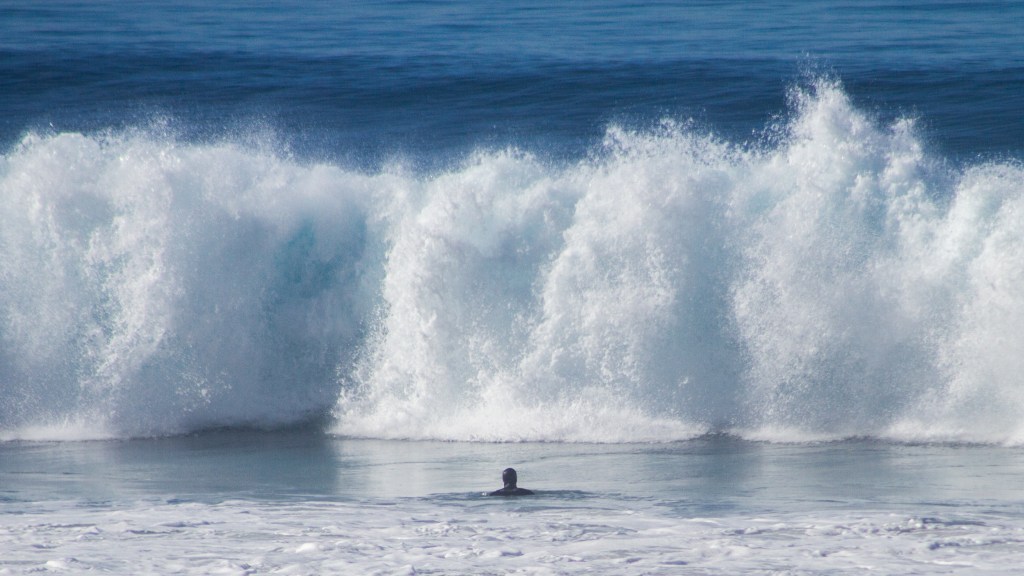
a. Bodysurfing’s Rosetta Stone b. The First Mākaha Bodysurfing Classic c. Breeze and Gale: The Science of Wind d. Tubes and Temporal Relativity e. Innovation: Churchill Swim Fin Patent
-

Every subculture develops its own nomenclature to describe their endeavors. Skiers and snowboarders use dozens of words to articulate different snow conditions. Skateboarders have a name for every kick and flip. Likewise, waveriders have hundreds of words to describe the Ocean and waves. Bodysurfers have developed our own words to chronicle our Ocean passion. In the United States,…
-

The following article was written by Hawaiian Kā’eo Awana. The photographs were captured by local photographer Philip Kitamura. Thanks to Sean Enoka and the boys for their collaboration. Mākaha beach bared 5-6’ waves (Hawaiian scale), or 10-12ʻ faces on the day of the Mākaha Bodysurfing Classic. The waves broke from the outside point and marched…
-

Simply look at a flag and you can reckon one of the most important surf factors. If it’s pointed toward the Ocean or hanging slack, quicken your pace towards the sea. It has an enormous impact on our daily surf conditions, and in fact it is mostly responsible surf’s existence. Moving air. We call it wind.…
-
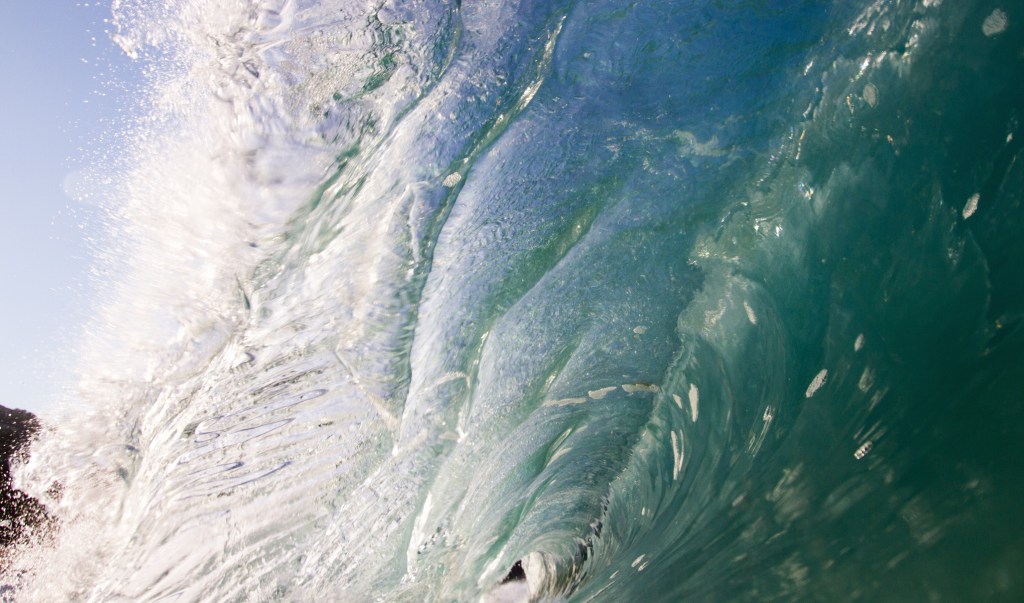
Our ancestors marked the passage of time by the moon and stars. They tracked the basic movements of the Earth in order to predict the coming changes in their environment. They developed a sense of time. Science suggests that time is a dimension. If you want to meet a friend you need to tell them…
-

In the 1940’s Owen P. Churchill designed innovations to Louis de Corlieu’s original swim fin patent. These innovations led to the efficacy and staying power of the modern rubber swim fin. Churchill’s original design is still popular today, 70 years after it’s creation. The following text and visual are from the original patent as referenced…
Instagram Feed


 Swell Lines Mag